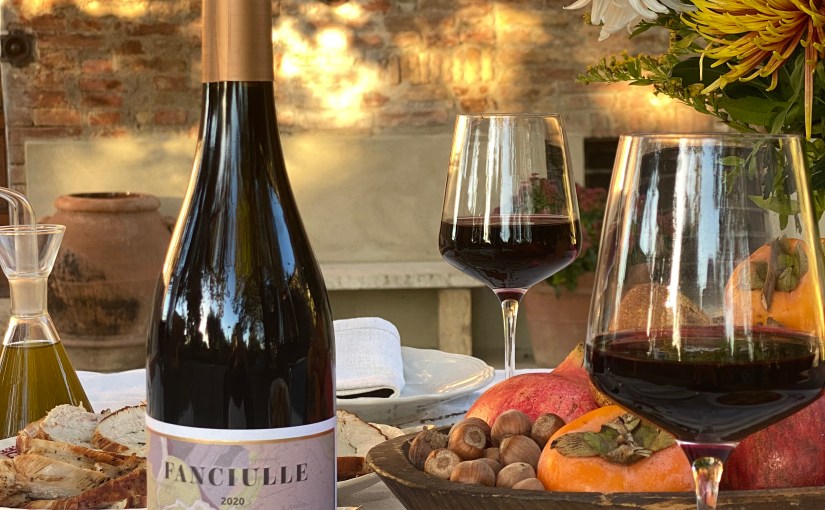
Last Friday, schools and businesses were closed here in Italy to celebrate All Saints Day, which marks the start of a holiday season that will end in January with Epiphany on the 6th. From now until then, meals take on even more than their usual importance.
When I first came to live in Italy, and the holidays came around, I couldn’t wait to use the damask tablecloth, to get the Ginori out of the china closet, to dust off the Murano glasses. I thumbed through recipes for what I considered the most elegant dishes—watercress soup, roasts of ham, goose or beef, stuffings, gravies and creamed vegetables, trifles, multi-layer cakes and holiday punch. But I needn’t have gone to the trouble.
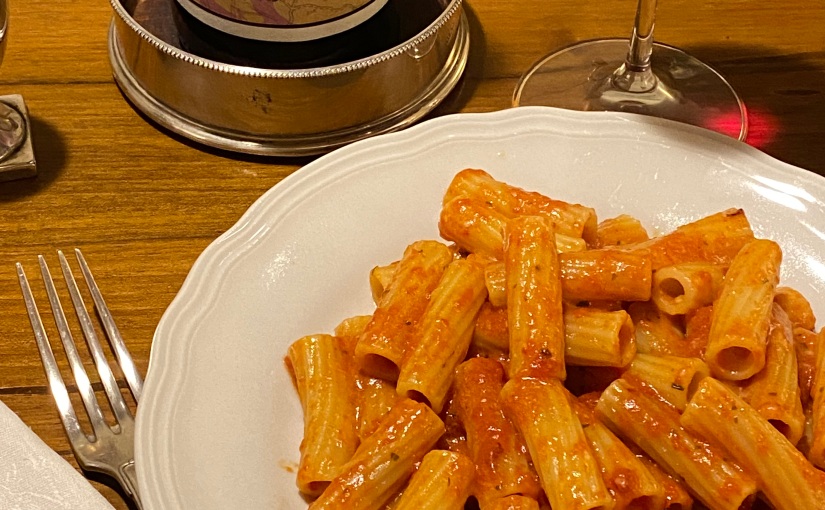
First, I wasn’t going to be entrusted with any cooking. (On my third Christmas here, I got to boil potatoes for a purée.) And second, holiday meals here are made up of dishes that are eaten at the family table throughout the season—pasta with ragù, roast beef, winter vegetables—and the table is set just as it always is with a faded but ironed tablecloth, plain china, two stemless glasses per person and the scratched but sturdy old silver. The attention to procuring the best ingredients is par for the course: each woman (because here it is still very much the women in the house that plan the holidays) knows a butcher who gives her the tenderest cuts and a farmer who will save her the freshest bunch of spinach. And the cooking is as rigorous as ever, the pasta exactly al dente, the sauce simmered and corrected all afternoon, the roast delicately crisped on the outside, al sangue within and sliced as thin as a wafer. Wine is served–here in Tuscany, it’s the light, tangy, unadulterated local Sangioveses that so effortlessly accompany the hearty cuisine. Desserts are tied to the holiday: pan coi santi (a nutty raisin bread) on All Saints’ Day, Panettone or Pandoro on Christmas and clementines and chestnuts throughout the winter.
Each child can ask for a present and husbands and wives buy one another a sweater or a scarf, but gifts are hardly the focus. The main meal on any of these holidays is often lunch rather than dinner, and afterwards, it’s customary to go for walk. Then, cards are played and naps are taken, until suppertime, when the fire is rekindled, someone pulls out the leftovers and the table is set again.
I miss my family and our traditions keenly during the holiday season—my dad playing the Messiah CD around the clock for a month, my mom’s homemade cranberry sauce and succulent roast goose, watching football on Thanksgiving and opening presents in our pyjamas on Christmas morning. But, after twenty four years, the Italian traditions–especially simple, savory food and pure, refreshing wine—are becoming mine, too.

 The Truth About Tuscany